Do You Really Need to Count Calories to Lose Weight?
Some people swear by calorie counting; others say you should "just eat intuitively" or follow simple rules instead. So what is the truth—do you actually have to track calories to lose weight, or can you reach your goals without logging every meal?
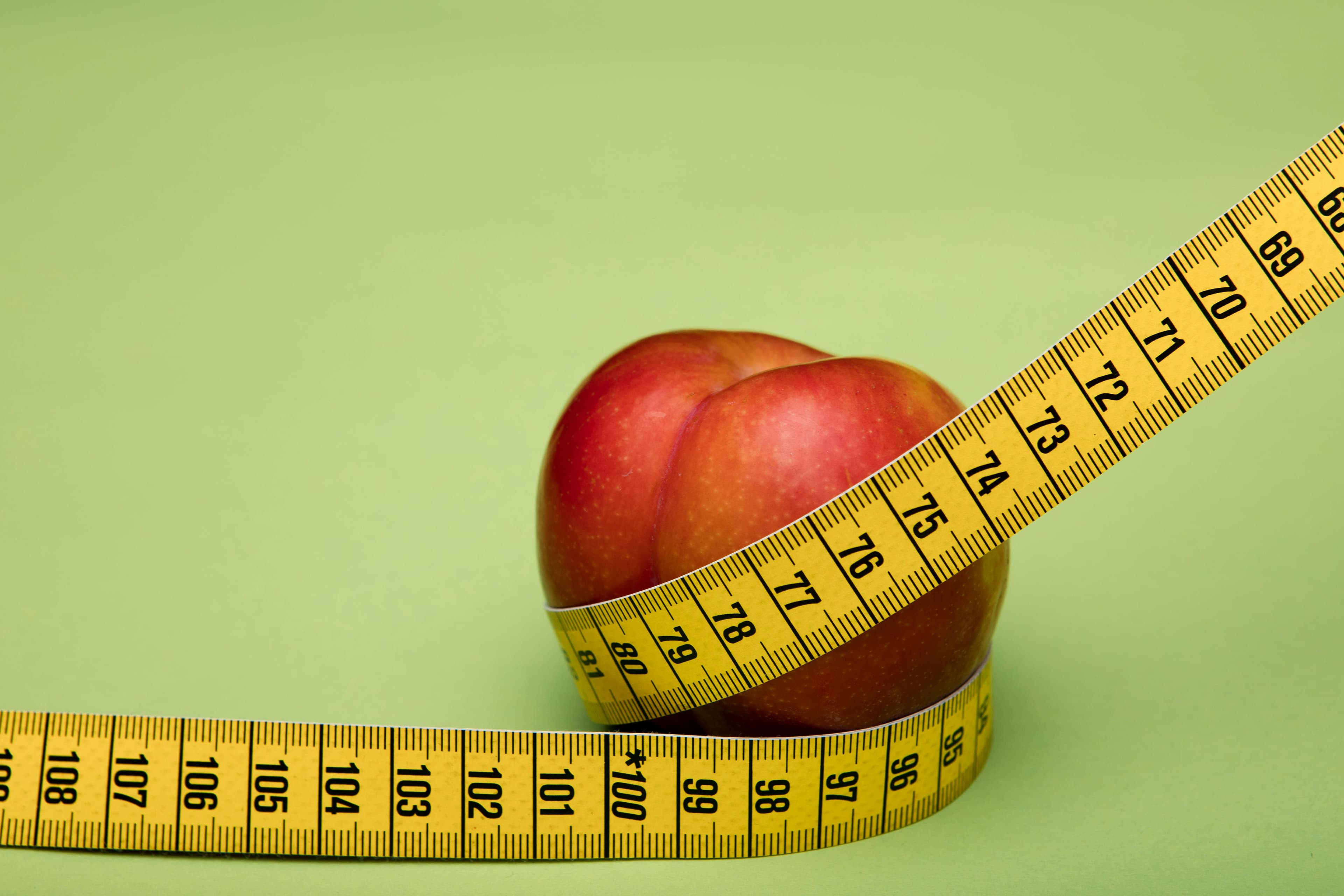
Calories Still Matter, Whether You Count Them or Not
Every successful weight‑loss method—keto, intermittent fasting, low‑fat, high‑protein, and everything in between—works because it creates a calorie deficit. You burn more energy than you take in over time, so your body taps into stored fat to make up the difference. You can absolutely create that deficit without logging, but you cannot escape the underlying math. If you lose weight, it is because you ate fewer calories than you burned. If you are not losing, it is because your average intake is still too high, even if the foods you eat feel "healthy". Calorie counting is simply one way to measure and manage this balance more directly. For many people, it is the most precise and fastest way to understand what is actually happening.
When Calorie Counting Is Especially Helpful
You do not need to count forever, but there are situations where tracking is extremely useful: • You have tried multiple diets without understanding why they failed. • Your portions are larger than you realize, and you struggle with mindless snacking. • You like numbers, structure, and clear targets. • You are aiming for a very specific physique or performance goal. In these cases, using a tool like Eati to quickly estimate calories from simple meal descriptions can teach you more in a few weeks than months of guessing. You see how different foods add up, which meals keep you full for the fewest calories, and where you tend to overshoot.
When You Might Not Want to Count Every Calorie
For some people, obsessive calorie tracking can increase stress or trigger unhelpful behaviors around food. If you have a history of disordered eating or find yourself thinking about numbers all day, you may prefer a more flexible strategy. In that case, you can focus on structure without strict counting: • Build every meal around protein and vegetables. • Use mostly minimally processed foods. • Eat slowly and stop when you are satisfied, not stuffed. • Keep ultra‑processed snacks and drinks as occasional treats. You can still use Eati as a spot‑check or learning tool—log a few days here and there to see whether your approach is putting you roughly in the right calorie range.
A Hybrid Approach: Count for Clarity, Then Transition
One powerful strategy is to count calories for a limited period—say, 4–8 weeks—then gradually transition toward more intuitive eating informed by what you have learned. During the tracking phase, you: • Discover your real maintenance and deficit ranges. • Learn how different meals and portion sizes affect your hunger. • Build go‑to meal templates that you know fit your goals. Then, as you move into maintenance or a more relaxed phase, you keep those habits but log less often. You might only track after holidays, during stressful periods, or when you notice your weight creeping up. Eati makes this hybrid method easy because logging does not require searching endless databases—you just describe what you ate.
So, Do You Personally Need to Count?
If you are getting consistent results with simple habit‑based changes, you probably do not need to count every calorie. But if you feel stuck, confused, or unsure why the scale is not moving, a period of honest tracking is one of the fastest ways to get clarity. Think of calorie counting as turning the lights on in a dark room. You can navigate without it, but you are much more likely to bump into things. With tools like Eati that drastically reduce the friction of logging, you can get the benefits of tracking without making it your entire life. Ultimately, the best approach is the one you can stick to. For many people, that means using calorie counting strategically—when they need precision and feedback—rather than as a permanent requirement.
Curious what your current diet really adds up to? Try logging a few days of meals in Eati and see how close you are to a sustainable calorie deficit for your goals.
Download EatiConclusion
You do not have to count calories forever to lose weight, but you cannot escape the reality that calories drive progress. Tracking is a powerful tool, especially when you feel stuck or want faster, more predictable results. By using Eati to simplify logging and combining it with solid habits around protein, fiber, and food quality, you can choose the level of precision that fits your personality while still moving steadily toward your goal.
Free Tools to Reach Your Goals
Use our calorie calculator, TDEE calculator, and macro calculator to set your daily targets. Explore all fitness & weight loss tools.