How Many Calories Should I Eat to Lose Weight? (Complete Science-Based Guide + Examples)
If you want to lose weight, there is one question that matters more than anything else: How many calories should I eat? Most diets fail because people either eat too little, feel miserable, and quit — or eat too much without realizing it. The truth is simple: fat loss is not about cutting carbs, skipping meals, or following extreme rules. It is about energy balance. In this complete guide, you will learn exactly how many calories you should eat to lose weight, how to calculate your personal number, real examples for men and women, common mistakes that stop progress, and how to make the process simple and sustainable. By the end, you will know your calorie target and how to use it effectively for long-term fat loss.
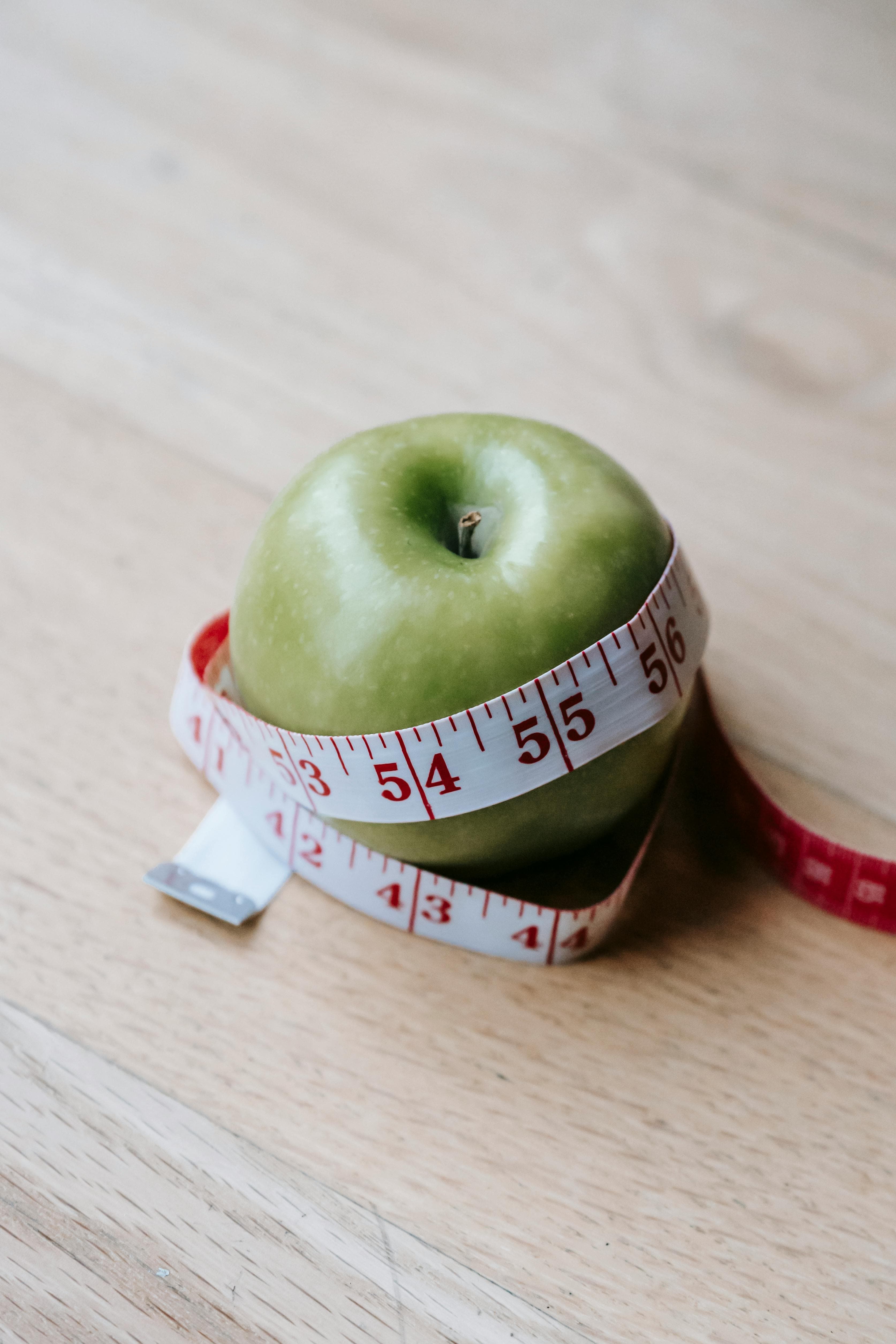
What Is a Calorie and Why It Matters for Weight Loss
A calorie is a unit of energy. Your body uses calories for everything — breathing, walking, thinking, exercising, and even sleeping. Every day, your body burns a certain number of calories. This is called your Total Daily Energy Expenditure (TDEE). If you eat: • More calories than you burn → you gain weight • The same number of calories → you maintain weight • Fewer calories than you burn → you lose weight Weight loss happens when you consistently create a calorie deficit. This is not a diet trend — it is basic biology.
What Is a Calorie Deficit?
A calorie deficit happens when you consume fewer calories than your body needs to maintain its current weight. For example: If your body burns 2,200 calories per day and you eat 1,700 calories, you are in a 500-calorie deficit. Over time, this forces your body to use stored fat for energy. A moderate calorie deficit is usually: • 300–500 calories per day for sustainable fat loss • 500–750 calories per day for faster results Extreme deficits may lead to: • Fatigue • Muscle loss • Slow metabolism • Binge eating • Hormonal imbalance That is why balance is important.
How to Calculate How Many Calories You Should Eat
Step 1: Estimate Your Maintenance Calories (TDEE) Your maintenance calories depend on: • Age • Gender • Height • Weight • Activity level Step 2: Subtract a Deficit Once you know your maintenance calories, subtract 300–500 calories. Example: If your maintenance is 2,000 calories: • For slow fat loss → 1,700–1,800 calories • For faster fat loss → 1,500–1,600 calories This creates sustainable weight loss without extreme restriction.
Example Calorie Targets for Women
Here are general examples (individual needs vary): Sedentary woman: Maintenance: ~1,800–2,000 calories Fat loss target: 1,300–1,600 calories Moderately active woman: Maintenance: ~2,000–2,200 calories Fat loss target: 1,600–1,800 calories Very active woman: Maintenance: ~2,200–2,400+ calories Fat loss target: 1,800–2,000 calories Remember: These are estimates. The best number depends on your body and activity level.
Example Calorie Targets for Men
Sedentary man: Maintenance: ~2,200–2,400 calories Fat loss target: 1,700–2,000 calories Moderately active man: Maintenance: ~2,400–2,800 calories Fat loss target: 1,900–2,300 calories Very active man: Maintenance: 2,800+ calories Fat loss target: 2,200–2,500+ calories Men typically require more calories due to higher muscle mass.
How Fast Should You Lose Weight?
Healthy fat loss rate: • 0.5–1% of body weight per week Example: If you weigh 160 lbs (73 kg): A realistic goal is 0.8–1.6 lbs per week. Losing weight too quickly can increase: • Muscle loss • Hunger • Fatigue • Rebound weight gain Sustainable progress beats extreme dieting.
Common Mistakes That Stop Weight Loss
1. Underestimating calories Many people eat more than they think, especially with snacks, sauces, drinks, and restaurant food. 2. Not tracking consistently Without tracking, it is difficult to know if you are truly in a deficit. 3. Cutting calories too aggressively This slows metabolism and increases cravings. 4. Ignoring protein intake Low protein can lead to muscle loss. 5. Expecting daily scale changes Weight fluctuates due to water, salt, hormones, and digestion. Focus on weekly trends instead.
Should You Eat Very Low Calories?
Very low-calorie diets can work short term but are difficult to sustain. Problems with extreme restriction: • Energy drops • Hormones may be affected • Muscle loss risk increases • Higher chance of binge eating For most people, a moderate calorie deficit is the best strategy.
The Role of Protein in Weight Loss
Protein is extremely important during fat loss. Benefits: • Preserves muscle mass • Reduces hunger • Increases fullness • Helps maintain metabolism General recommendation: 0.7–1 gram of protein per pound of body weight. High-protein diets make calorie control easier.
Do You Need to Count Calories Forever?
No. Counting calories is a tool — not a life sentence. Many people use calorie tracking to: • Learn portion sizes • Understand food energy • Build awareness Over time, you may develop intuitive habits. However, tracking can be extremely helpful during fat loss phases.
Conclusion
So how many calories should you eat to lose weight? The answer depends on your body, activity level, and goals — but the principle remains the same: Eat fewer calories than you burn. For most people, a moderate deficit of 300–500 calories per day is sustainable and effective. Avoid extreme restriction. Focus on consistency. Track your progress. Prioritize protein. And monitor trends instead of daily fluctuations. Weight loss does not have to be complicated. Once you understand your calorie target, fat loss becomes predictable and manageable. Now the next step is simple: calculate your maintenance calories and create your personalized deficit.
Free Tools to Reach Your Goals
Use our calorie calculator, TDEE calculator, and macro calculator to set your daily targets. Explore all fitness & weight loss tools.