How to Lose Weight Without Starving
You do not have to be hungry all the time to lose weight. In fact, extreme restriction usually backfires, slows your metabolism, and makes weight loss harder to maintain. This guide explains how to create a sustainable calorie deficit so you can lose fat while still feeling satisfied and energized.
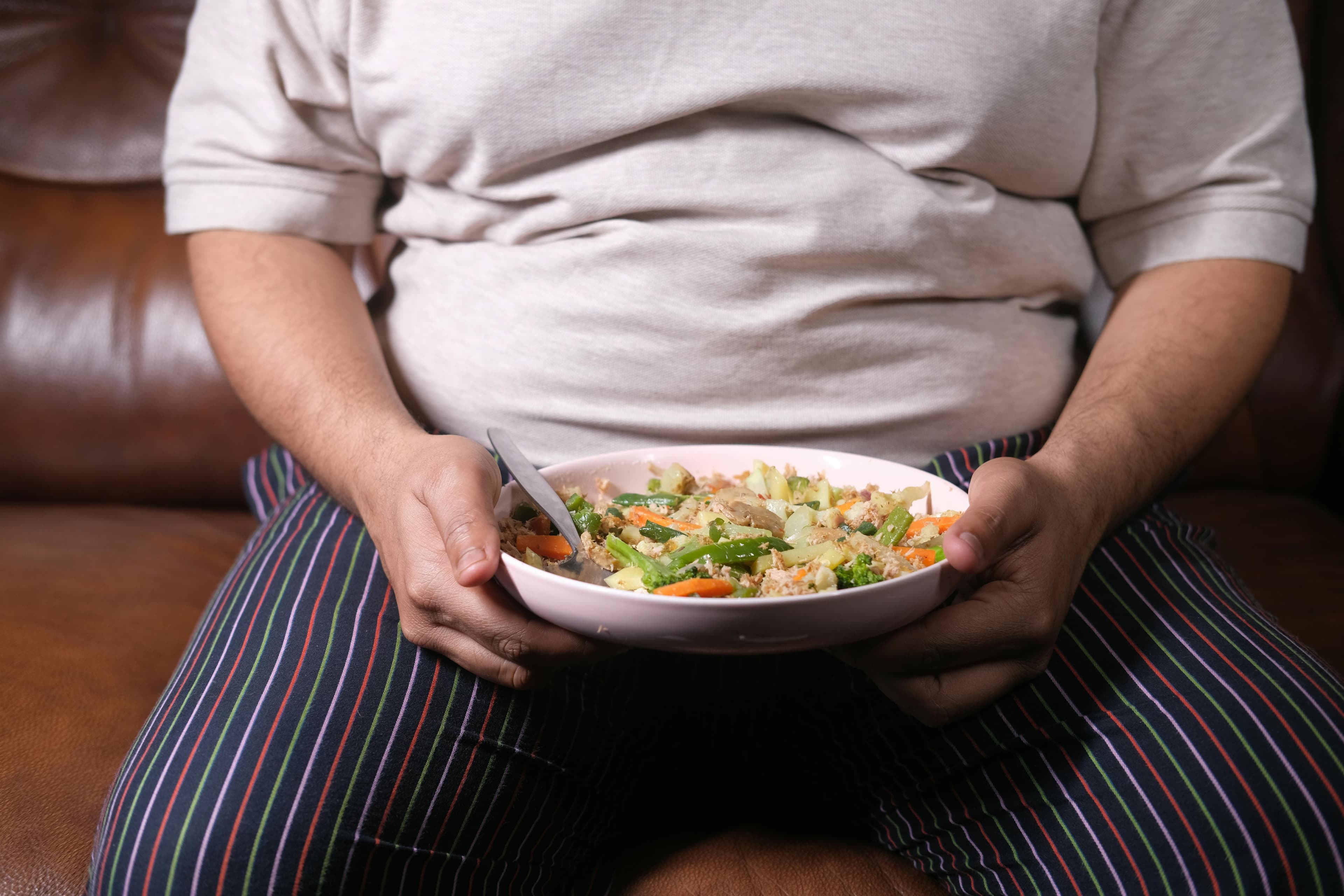
Starving Yourself Versus a Smart Calorie Deficit
Many people equate weight loss with suffering: tiny meals, constant hunger, and cutting out every food they enjoy. That approach might work for a few days, but it rarely works for months. Your body responds to extreme restriction by increasing hunger hormones, lowering energy expenditure, and making cravings feel overwhelming. A sustainable approach is very different. Instead of trying to eat as little as possible, you aim for a moderate calorie deficit that you can live with. Most people do well with a deficit of 300–500 calories below maintenance, which is enough to drive steady fat loss without wrecking your mood, energy, or performance in the gym. When you stop chasing the smallest possible number and focus on a realistic deficit, you naturally gravitate toward better food choices, higher‑volume meals, and habits you can keep for years, not just weeks.
Build Meals Around High-Volume, High-Satiety Foods
If you want to feel full while eating fewer calories, food volume and fiber are your best friends. High‑volume foods take up more space in your stomach for relatively few calories, which sends powerful fullness signals to your brain. Base each meal on lean protein (chicken breast, Greek yogurt, eggs, tofu, fish) plus a large serving of low‑calorie vegetables (leafy greens, cucumbers, tomatoes, peppers, broccoli). Add some fruit, beans, or whole grains for extra fiber and slow‑digesting carbs. This combination keeps you satisfied for hours instead of minutes. For example, compare two dinners with the same calories. A small fast‑food burger might disappear in a few bites, while a plate of grilled chicken, roasted potatoes, and a huge salad with light dressing takes longer to eat, feels more satisfying, and delivers more vitamins and minerals. Same calories, completely different impact on hunger.
Prioritize Protein to Protect Muscle and Control Hunger
Protein is the most filling macronutrient. It supports muscle, stabilizes blood sugar, and reduces cravings throughout the day. When you are in a calorie deficit, higher protein intake helps you hold on to lean mass so the weight you lose is mostly fat, not muscle. A practical target for most people is 0.7–1.0 grams of protein per pound of goal body weight per day. Spread that across your meals so you are getting at least 20–30 grams of protein at breakfast, lunch, and dinner, with optional high‑protein snacks. Good options include Greek yogurt with berries, omelets, cottage cheese, lean meats, fish, tofu, tempeh, seitan, protein shakes, and high‑protein versions of common foods. When you build each meal around protein first, it becomes much easier to stay full on fewer calories.
Use Food Volume, Not Willpower, to Handle Cravings
Willpower alone is a fragile strategy. Late at night, after a long day, it is very easy to grab a calorie‑dense snack if your meals were tiny and unsatisfying. Instead of fighting cravings with willpower, design your diet so you are not as hungry in the first place. Simple tactics include starting meals with a low‑calorie salad or a bowl of vegetable soup, drinking a glass of water before you eat, and adding high‑fiber sides like beans, lentils, or roasted vegetables. These add bulk without many calories and slow down how quickly you eat. You do not have to completely avoid treats. It is far more sustainable to include small portions of your favorite foods within your calorie target. When you know you can have chocolate or pizza occasionally, the urge to binge on them usually drops.
Plan Satisfying Snacks So You Are Not Desperate
Going for long stretches with no food often leads to the classic pattern of being "good" all day and then overeating at night. Planned, high‑protein, high‑fiber snacks keep your hunger in check and make it easier to stop eating when you are satisfied instead of stuffed. Great options include Greek yogurt with fruit, protein shakes, carrots and hummus, rice cakes with cottage cheese, boiled eggs, or an apple with a small handful of nuts. These choices give you a mix of protein, fiber, and healthy fats that keep you full between meals. If you know you always get hungry at 4 p.m., do not wait until you are starving. Plan a structured snack that fits your calories and keeps you comfortable until dinner.
Leverage Technology to Track Without Obsessing
Guessing your intake almost always leads to accidental overeating. The portions you think are "about 300 calories" are often 500–700 calories in reality. That is why logging your food, even for a few weeks, can completely change your results. With tools like Eati, you do not have to weigh every gram or scroll through giant food databases. You simply describe what you ate and the app estimates the calories, protein, carbs, and fats for you. Over time you develop a much better intuition for what a satisfying but reasonable portion looks like. The goal is not to obsess over every calorie forever. Instead, you use tracking temporarily to calibrate your habits, then rely on the skills you have built to maintain your progress with far less effort.
Set Realistic Expectations and Watch Weekly Trends
Even with a smart plan, weight loss is never perfectly linear. Hormones, water retention, sodium intake, bowel movements, menstrual cycles, and even sleep can cause the scale to jump up and down day to day. That does not mean your plan is failing. Track your weight several times per week and look at the weekly average instead of obsessing over single days. If your weekly average is trending downward by about 0.5–1 percent of your body weight per week, you are doing great. If the scale is not moving for two to three weeks, do not starve yourself. First, check your logging accuracy and portion sizes. Then make a small adjustment, such as trimming 150–200 calories per day or adding a bit more activity. Small, measured changes beat drastic cuts every time.
You can lose weight without constant hunger. Describe your meal to Eati and let the app calculate calories and macros for you in seconds, so you can focus on eating in a way that actually feels sustainable.
Download EatiConclusion
Losing weight without starving is not only possible, it is the most reliable way to reach your goal and stay there. By focusing on a moderate calorie deficit, building meals around protein and high‑volume foods, planning satisfying snacks, and tracking your intake with the help of smart tools, you remove the need for constant willpower. You feel full, your energy stays stable, and weight loss becomes a predictable process instead of a daily battle. Start with a few changes from this guide, give them a couple of weeks to work, and you will be surprised at how quickly progress adds up when you are no longer fighting your own hunger.
Free Tools to Reach Your Goals
Use our calorie calculator, TDEE calculator, and macro calculator to set your daily targets. Explore all fitness & weight loss tools.