How to Stop Binge Eating at Night (Without Relying Only on Willpower)
You eat well all day, but when evening comes, it feels like something takes over: snacking on the couch, raiding the pantry, and going to bed uncomfortably full. Night‑time overeating is incredibly common—and it is often less about "weak willpower" and more about how your entire day is set up.
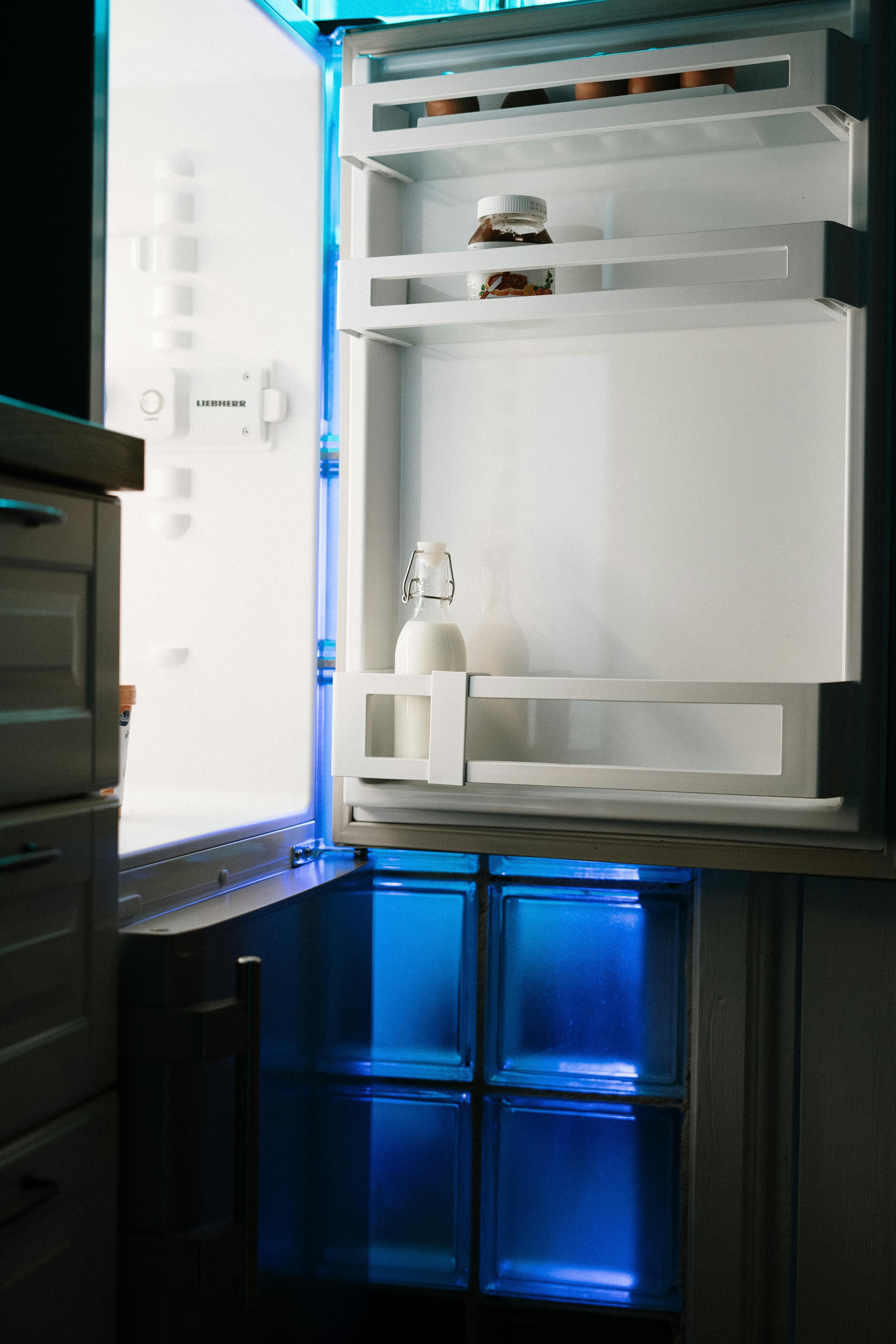
Understand What Drives Your Night-Time Binges
Night‑time binge eating usually has multiple causes working together: • You are too hungry from under‑eating earlier in the day. • You are using food to cope with stress, boredom, or emotions. • Your environment makes constant snacking effortless. • You see night‑time as your only "me time" and food becomes part of that ritual. Instead of blaming yourself, get curious. Reflect on your typical day: How much do you actually eat earlier? How stressed or tired do you feel by evening? What situations reliably trigger a binge? Awareness is the first step toward change.
Stop "Saving Calories" by Starving All Day
One of the biggest drivers of night‑time binges is trying to be overly strict during the day—tiny breakfasts, skipped lunches, and minimal snacks to "save calories" for later. By evening, your body is simply rebounding from hours of under‑fueling. A better approach is to eat regular, balanced meals with enough protein and volume to keep you satisfied. When you use Eati to log your day, check whether you are front‑loading or back‑loading most of your calories. If 60–70 percent of your intake is happening at night, redistribute some of that energy to earlier meals. You will be surprised how much easier it is to stop at one dessert or a small snack when you are not entering the evening in a massive deficit.
Build an Evening Routine That Is Not Built Around Food
If food is your main way to unwind, simply removing it leaves a void—so you go back to old habits. Instead, design an evening routine that gives you relaxation, comfort, and pleasure in other ways. Options include reading, stretching, a warm shower, a short walk, journaling, or calling a friend. None of these have to be perfect or Instagram‑worthy; they just need to give your brain a sense of "the day is over, I can exhale" that does not depend solely on snacking. You can still include food in the routine—but as a small, intentional part. For example, you might plan a specific, satisfying snack, log it in Eati, and fully enjoy it, then move on to your other rituals.
Make Bingeing Less Automatic with Environment Design
Your environment has a huge impact on your behavior, especially when you are tired. If high‑calorie snacks are always visible and easy to grab, you will reach for them almost on autopilot. Simple changes help: • Keep trigger foods out of sight or in less convenient places. • Stock your fridge and pantry with satisfying but lower‑calorie options. • Avoid eating directly from large packages—portion snacks onto a small plate instead. These changes do not rely on willpower; they reduce the number of decisions you have to make at 10 p.m., when your self‑control is naturally lower.
Use Data Compassionately, Not as a Weapon
Logging binge episodes can feel uncomfortable, but it is one of the most effective ways to make progress. When you record what and how much you ate—even approximately—you turn a vague sense of "I blew it" into specific information you can work with. Use Eati to log night‑time episodes without judgment. Look for patterns: certain days of the week, specific triggers, or times when you consistently eat far beyond your calorie target. Combined with daytime logs, you will see where to adjust meals, stress management, or routines. Remember: the goal is not perfection. Reducing the frequency, intensity, or duration of binges is real progress, even if they do not disappear overnight.
Struggling with night‑time eating? Try logging a full week—including evenings—in Eati to see the patterns clearly and build a calmer, more predictable routine around food.
Download EatiConclusion
Stopping binge eating at night is less about heroic willpower and more about building days that do not push you into desperation by evening. By eating enough earlier, prioritizing protein and volume, creating non‑food ways to unwind, and redesigning your environment, you remove many of the triggers that drive night‑time overeating. Paired with honest, compassionate tracking in Eati, these changes transform late‑night chaos into a routine you can feel proud of—and that actually supports your weight‑loss goals.
Free Tools to Reach Your Goals
Use our calorie calculator, TDEE calculator, and macro calculator to set your daily targets. Explore all fitness & weight loss tools.