Why Weight Loss Slows Down After a Few Weeks (and What to Do About It)
The first weeks of a new plan often feel amazing: the scale drops quickly, your clothes loosen, and motivation is high. Then, almost inevitably, the pace slows down or stalls. This does not mean your body is broken or your diet stopped working—it means you have entered a normal phase of the fat‑loss process.
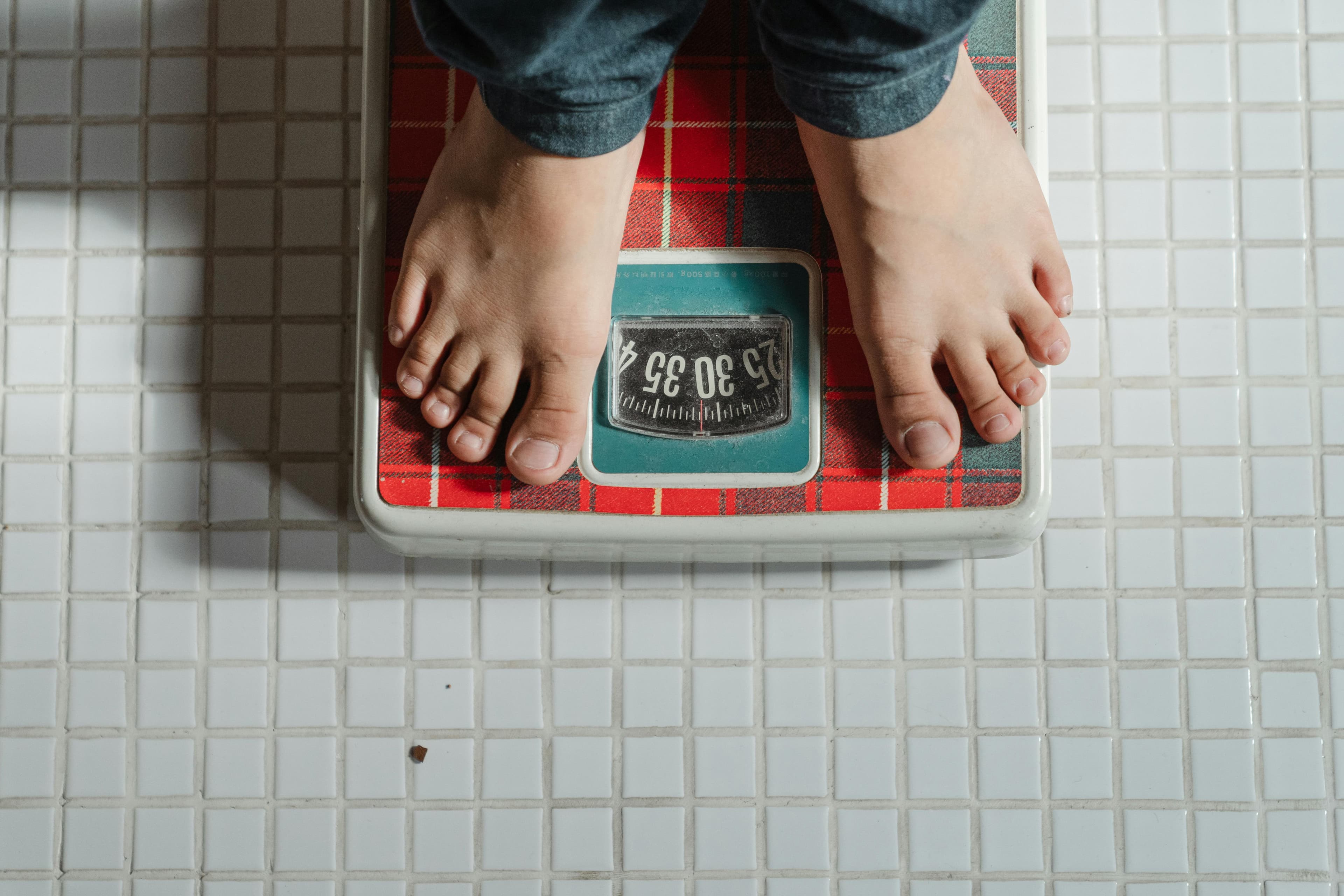
The Early Drop: Water, Glycogen, and Easy Wins
At the start of a calorie deficit, you often reduce carbohydrates, sodium, or overall food volume, even if you are not trying to. This leads to lower glycogen stores and less water being held in your muscles and tissues. The result is a quick drop on the scale—sometimes 1–3 kg (2–6 lb) in the first week. This feels great, but much of it is water, not pure fat loss. Once this effect stabilizes, the scale naturally slows to reflect your true rate of fat loss, which is usually closer to 0.5–1 percent of body weight per week. If you do not expect this transition, it is easy to believe your body has suddenly "stopped responding" when in reality things are just moving at a normal, sustainable pace.
You Weigh Less Now, So You Burn Fewer Calories
As you lose weight, your body becomes more efficient. It takes fewer calories to move a lighter body around, and your basal metabolic rate (BMR) decreases slightly. This means your previous calorie target creates a smaller deficit than it did at the beginning. For example, if you started at 90 kg and now weigh 80 kg, your maintenance calories might be 200–300 lower than before. If you are still eating the same number of calories, your effective deficit has shrunk, so weight loss naturally slows. The fix is not to panic, but to recognize that a modest adjustment—trimming 150–200 calories per day or adding some movement—is often enough to restore your previous pace.
Metabolic Adaptation and Reduced Daily Movement
Beyond the pure math of weighing less, your body also adapts behaviorally. When you diet, you may unconsciously fidget less, stand less, or move more slowly. This reduction in non‑exercise activity (NEAT) can significantly lower your total daily energy expenditure. The good news is that you can counter this by tracking your steps or general activity level and making a conscious effort to stay active. Aim for a step range you can maintain (for many people, 7000–10,000 per day) rather than letting your movement quietly shrink as the diet goes on. Eati covers the nutrition side; a step counter covers the movement side. Together, they give you a far more accurate picture of your real deficit.
Diet Drift: Portion Sizes and Extra Snacks Creep Back In
It is common to start a plan with razor‑sharp focus—measuring portions, avoiding extra snacks, and eating mostly whole foods. After a few weeks, life happens: you eyeball more servings, eat out more often, or snack without logging. This subtle "diet drift" can transform a solid deficit into maintenance or even a surplus, all while you feel like you are "still doing the plan." Without data, it is nearly impossible to see this clearly. By returning to consistent logging in Eati for 1–2 weeks, you can spot where your habits have loosened and tighten them back up without resorting to extreme restriction.
How to Safely Restart Progress When Loss Slows
When progress slows for 3–4 weeks, run through a simple checklist: 1. Log your intake thoroughly for 10–14 days. 2. Check your average calories versus your estimated maintenance at your new body weight. 3. Track your steps and confirm you are not significantly less active than before. 4. Review weekends and social events for large, untracked calorie spikes. If your deficit has effectively disappeared, make a small change instead of overreacting: reduce average daily intake by 150–300 calories, increase movement slightly, or both. Then give the new plan at least 3–4 weeks before judging it.
Has your progress slowed? Use Eati to tighten your tracking for a couple of weeks and see exactly where your deficit has shrunk—and how to nudge it back without extreme dieting.
Download EatiConclusion
Weight loss slowing after the first few weeks is not a sign of failure; it is a normal part of how your body responds to a calorie deficit. Water loss stabilizes, you weigh less, you may move less, and your margin for error becomes smaller. By understanding these factors and using tools like Eati to keep your nutrition honest, you can make small, intelligent adjustments that keep the scale moving without burning out.
Free Tools to Reach Your Goals
Use our calorie calculator, TDEE calculator, and macro calculator to set your daily targets. Explore all fitness & weight loss tools.